




💗 Black Friday: this item is 20% off
The discount is applied automatically in your cart.
1 order = 1 item donated to the ADSF association 💖


Sign up to receive an email when this item is available again! ❤️
Thank you! We'll email you as soon as it's back in stock 💌


Well, let's be honest: socks often have the reputation of being as exciting as a shopping list. It scratches, it slips, it gets holes when you don't expect it... Who needs that in their life?
We first wanted to make socks comfortable, which does not saw the ankle, and in eco-friendly materials. 🌱
But what excited us the most was the idea that you wanted to show them to everyone! Above all, we wished that you could let your jeans ride up above the ankle, and that someone would look at you with big eyes and say: “Wow, but your socks with strawberries are really awesome!” 😍
Our prints have been specially designed to brighten up your days, even the grayest of winter. In summary, our socks, it's good humor in a club. So, put them on, show them off to the world, and get ready to brighten your days (and those of others), one sock at a time! ✨
- 🌱 70% organic cotton 28% polyamide 2% elastane
- Certified OEKO-TEX® STANDARD 100 No. 1959CIT CITEVE
- Made in Portugal
- Machine wash at 30°C
🇺🇸 Free shipping on orders of $150 or more!
Orders are processed Monday to Friday (excluding public holidays) within 48 hours of payment. The delivery time below does not include processing time.
DHL Express: delivery in 2 to 5 working days $13.52
Customs duties are included in our prices: nothing to pay on delivery.
For more information about shipping: click here
We accept returns of any new, unworn item with its tags still attached, within 14 days of receiving your order. For a return from the US, return shipping is at your expense. Learn more.
To mix & match with
Sign up to receive an email when this item is available again! ❤️
Thank you! We'll email you as soon as it's back in stock 💌


Sign up to receive an email when this item is available again! ❤️
Thank you! We'll email you as soon as it's back in stock 💌
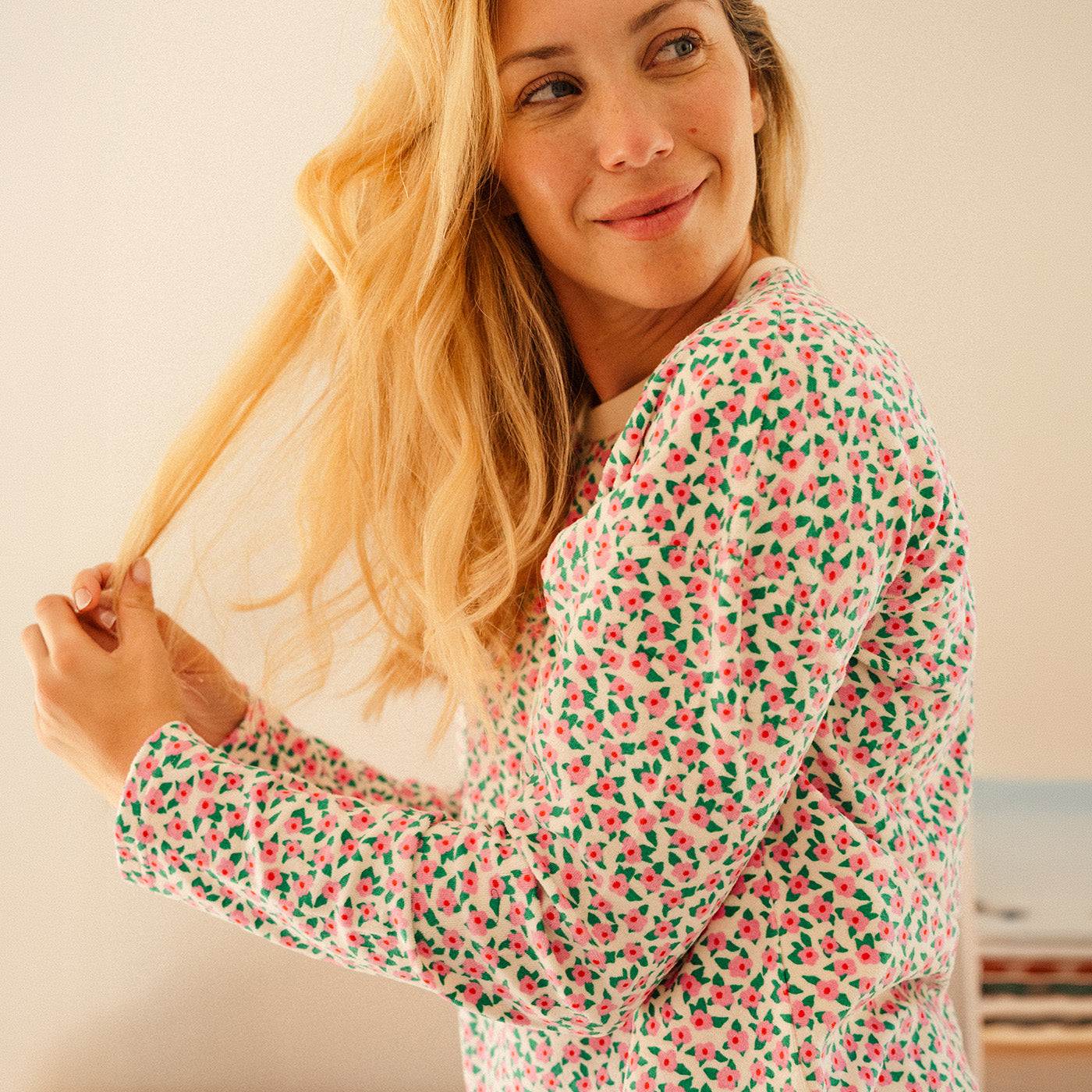
3 good reasons to wear pajamas or nighties to sleep 💤
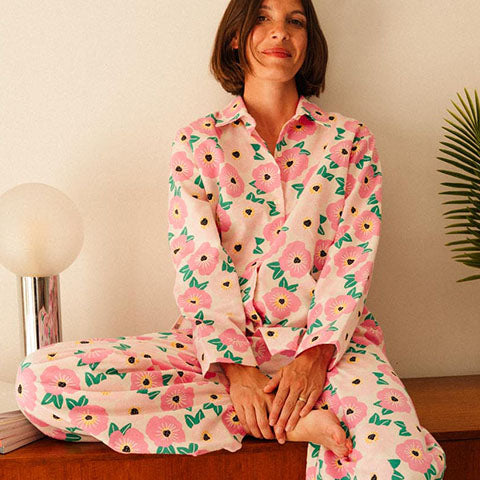
First, wearing pajamas or a nightie can help regulate your body temperature during sleep ! Made from organic cotton, our pretty pajamas will absorb moisture and help keep your body warm or cool depending on the season. 🥵🥶
READ MORE
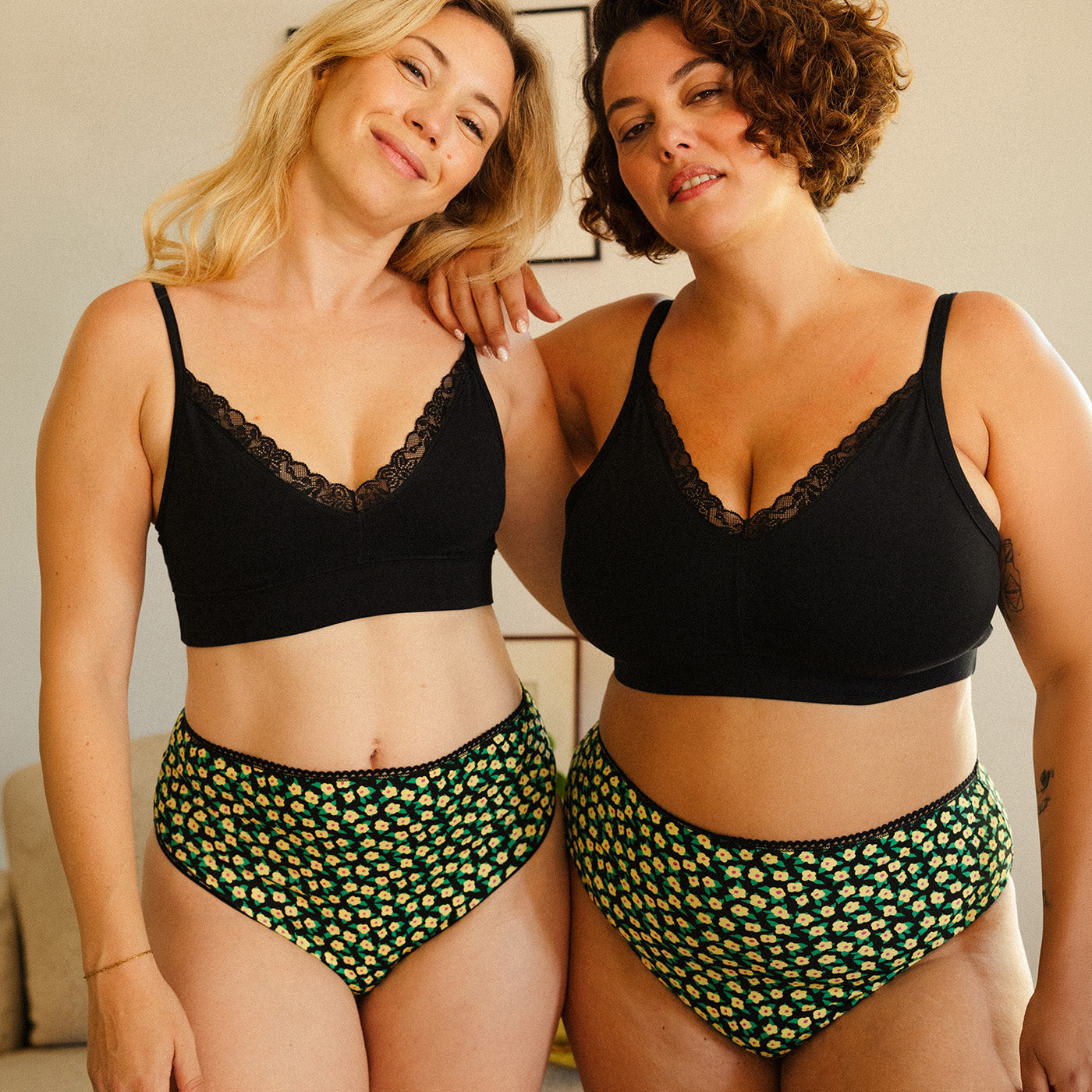
💡 Did you know? The skin is the largest organ in the human body
Why choose ORGANIC cotton? 🌱
Conventional cotton cultivation is the second largest industry who pollutes our planet the most, after the oil industry. It represents 2.5% of the world's agricultural area, but uses 25% of pesticides and 10% of herbicides (source WHO).
These are very aggressive chemicals, which destroy the environment and leave a significant footprint on the biodiversity on the one hand, but also on our health from another.
READ MORE


